

Category:
Intelligent Warehousing Equipment > Warehousing and Supporting Equipment
Introduction:
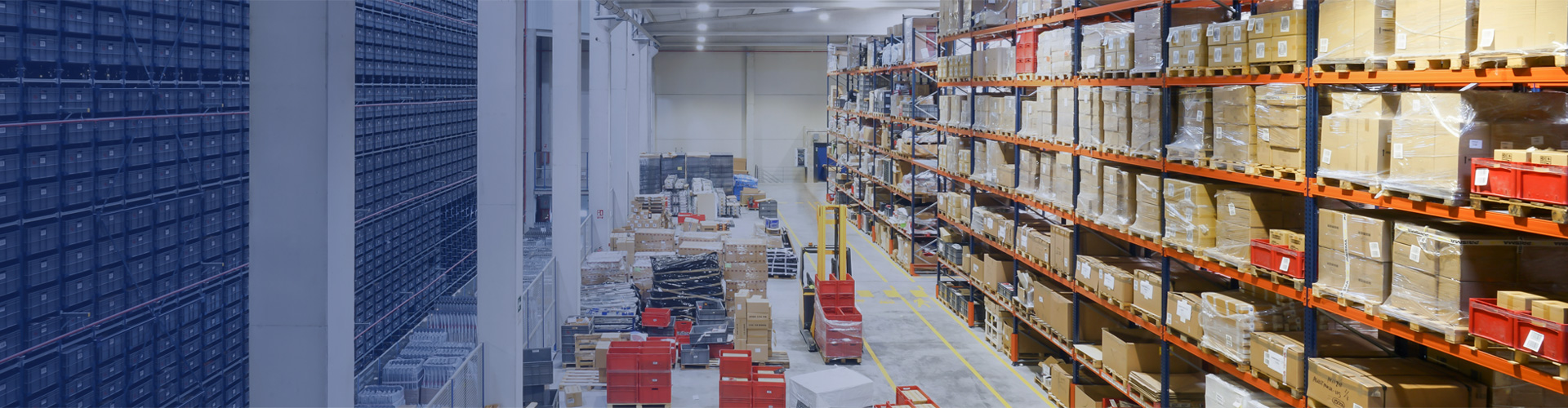
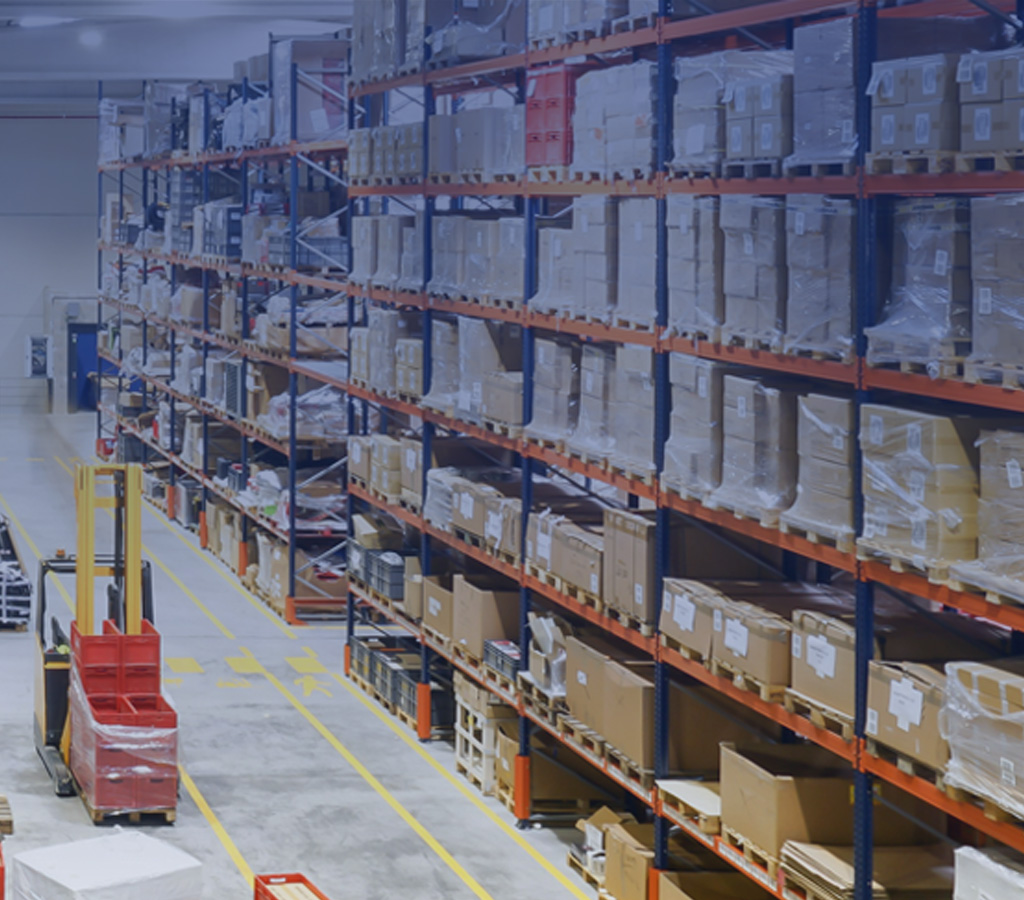
The operation of an Automated Warehouse differs from the traditional flat warehouse model of "manual + forklift." It utilizes shuttle robot systems, stacker systems, or lift systems, all under the unified control of WMS (Warehouse Management…
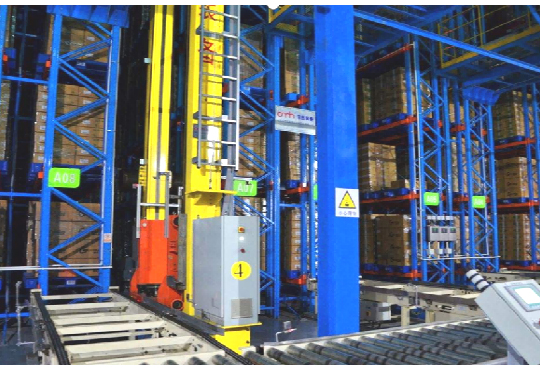
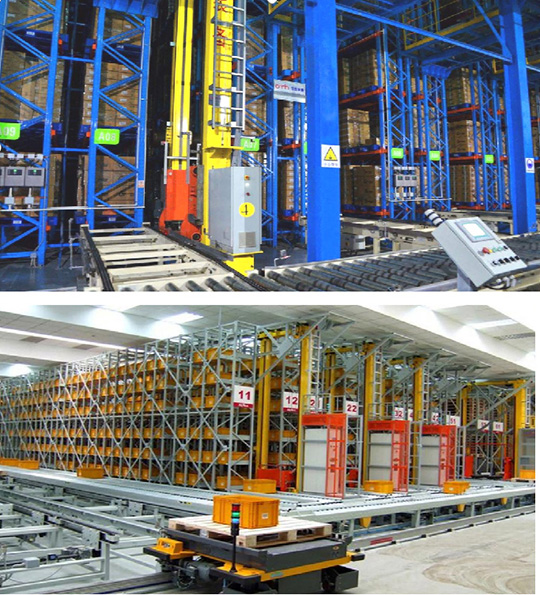
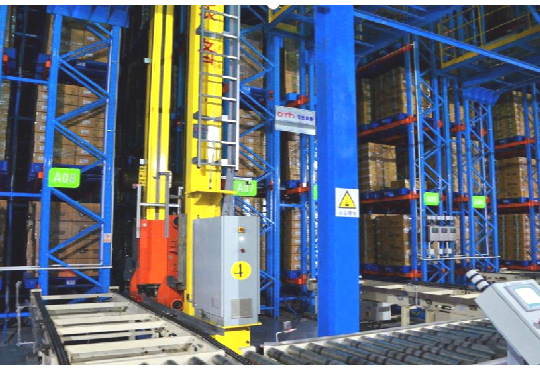
The operation of an Automated Warehouse differs from the traditional flat warehouse model of "manual + forklift." It utilizes shuttle robot systems, stacker systems, or lift systems, all under the unified control of WMS (Warehouse Management System) and WCS (Warehouse Control System) to standardize the workflow. This system implements "first in, first out" and on-demand management, effectively alleviating inventory backlog issues and avoiding material picking errors caused by human mistakes. It ensures the stability of product quality, realizes intelligent storage and retrieval, and automates handling, thereby reducing reliance on manual labor, improving warehousing efficiency, and increasing order fulfillment rates.
The WMS is responsible for overall warehouse accounting and operational management, enabling seamless connectivity with production processes. It accurately tracks basic data on items, achieving full lifecycle traceability, which truly supports smart warehousing and enhances the comprehensive strength of enterprises.
Previous: Lifter
The operation of an Automated Warehouse differs from the traditional flat war…

 Contact Information:
 E-mail:
 Operation Center:

Long press the QR code to open the website
Z-WINNER INTELLIGENT


Scan your phone to open it